The Complete Guide to Landscaping: Core Services, Advantages, and Locations We Serve
The Complete Landscaping Guide provides a thorough overview of key solutions that elevate exterior environments. It describes the significance of skilled design, effective installation techniques, and regular maintenance. Each component supports overall property worth and practicality while tackling distinct local challenges. As sustainability becomes increasingly essential, understanding local expertise is fundamental. What further insights can this guide provide to transform landscapes into vibrant environments?
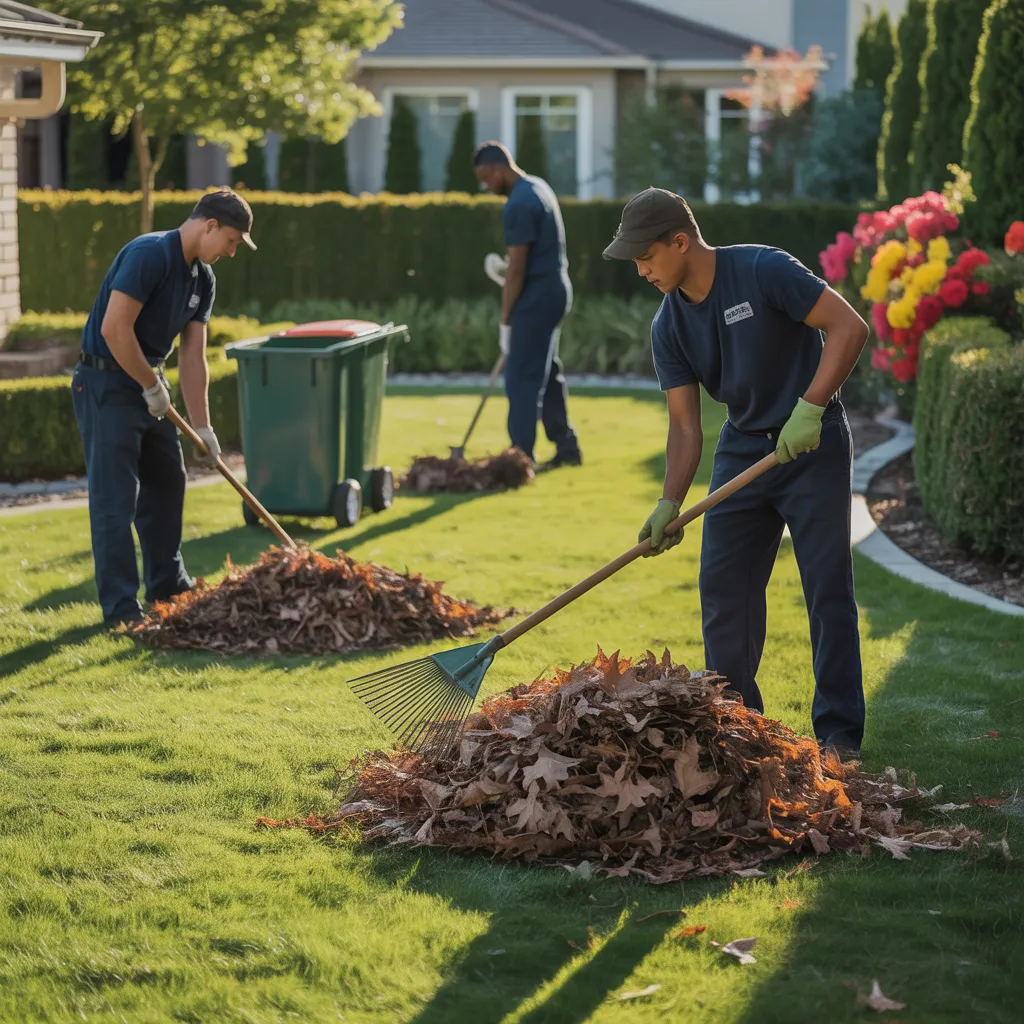
Exploring Essential Landscaping Services
Landscaping covers a range of essential services that support the beauty and functionality of exterior spaces. Primary landscaping services typically include installation, design, and maintenance. Design involves establishing a layout that complements the natural setting while achieving the client's expectations. This phase often incorporates elements like hardscaping, plant selection, and water features.
The installation phase follows, where the selected plants, stones, and various materials are positioned based on the design plan. This step is critical for guaranteeing the lasting health and integrity of the landscape.
Maintenance services are equally important, including routine activities such as pest management, lawn care, and pruning. These efforts serve to protect the landscape's beauty and health over time.
Combined, these fundamental services create the groundwork for successful landscaping, guaranteeing that outside spaces are simultaneously attractive and sustainable and functional.
Why Professional Landscape Design Matters
The craft of professional landscape design converts outdoor spaces into cohesive surroundings that enhance both beauty and functionality. By integrating components like plants, hardscapes, and water features, skilled designers create beautiful landscape designs designed to meet unique goals and desires. This expertise not only elevates aesthetic appeal but also increases property value, rendering professional services a smart investment.
In addition, professional landscaping accounts for sustainability factors, encouraging eco-friendly practices through the selection of locally adapted plants and water-efficient irrigation. Such an approach reduces upkeep expenses and protects essential review now resources, benefiting both the homeowner and the ecosystem. Moreover, a well-designed landscape can increase the practical use of outdoor spaces, creating areas for leisure and rest that cater to a range of lifestyles.
At its core, the value of professional landscape design reaches well beyond visual appeal; they establish welcoming, purposeful environments that nurture a stronger bond with the natural world and elevate overall quality of life.
Top Landscaping Installation Techniques
Upgrading an outdoor environment necessitates a careful focus on installation techniques that guarantee both strength and beauty. Effective landscaping relies on soil preparation, ensuring perfect growing conditions for plants. This involves measuring soil acidity and nutrient composition, followed by modifying the soil accordingly.
Next, strategic plant selection is essential; choosing native species can enhance sustainability while reducing maintenance needs. Correct planting practices, including proper depth and spacing, assist in forming solid root systems.
In addition, hardscaping elements, such as patios, pathways, and walkways, should be put in place with a focus on drainage and surface leveling to protect against future damage. Employing premium materials promotes longevity and elevates the final design.
Irrigation systems, whether drip or sprinkler, must be designed for efficiency, promoting healthy growth while conserving water. Additionally, implementing mulching methods safeguards soil and plants, further enhancing a flourishing landscape. As a whole, these approaches create the basis for accomplished and lasting landscaping installations.
Why Consistent Maintenance Is Essential for Your Landscape?
Regular maintenance guarantees that a landscape continues to flourish over time. Consistent maintenance, including tasks such as cutting, shaping, and weeding, reduces the risk of overgrowth and illness, ensuring plants thrive. It also elevates the overall appearance of the property, fostering a pleasant and appealing setting.
Furthermore, routine maintenance can uncover potential concerns before they grow larger, reducing the time and expenses linked to significant repairs. As an copyrightple, a small pest issue can be dealt with properly if detected in its early stages, while overlooking the problem can lead to severe damage.
Furthermore, routine upkeep promotes a sustainable landscape by enhancing biodiversity and nurturing soil health. A properly cared-for landscape can also improve property value, creating an appealing advantage for potential buyers. By prioritizing maintenance, homeowners and property managers can enjoy a beautiful and functional outdoor space, enriching both the lifestyle and the overall investment.
Reliable Landscaping Irrigation Solutions
Effective landscaping irrigation solutions play an essential role in keeping a thriving and lush landscape. Numerous types of irrigation systems, combined with advanced water conservation methods, can significantly improve water efficiency. Understanding these options is vital for creating sustainable and flourishing outdoor environments.

Kinds Of Irrigation Systems
When considering the best solutions for irrigating landscapes, having a clear understanding of the different irrigation system types is vital for optimizing both efficiency and plant health. Drip irrigation delivers water directly to plant roots, reducing evaporation and water runoff, making it especially well-suited for gardens and flowerbeds. Sprinkler systems provide flexible and broad coverage for expansive areas, with choices between stationary and rotating head configurations. Soaker hoses provide a gentle watering solution for row crops, allowing for deep soil penetration. Additionally, subsurface irrigation utilizes underground pipes or tubes, ensuring efficient moisture delivery below the surface, minimizing weed development. Each irrigation system comes with its own set of unique benefits, allowing landscape professionals to select the most suitable option based on specific needs and environmental conditions.
Water Saving Methods
Water conservation stands as a fundamental aspect of eco-friendly landscaping methods. Efficient irrigation systems, such as rainwater harvesting and drip irrigation, significantly minimize water waste while preserving landscape vitality. Drip irrigation channels water precisely to plant roots, minimizing evaporation and runoff. Rainwater harvesting systems capture and store rainwater for later use, supplying a reliable and sustainable water resource for landscapes and gardens.
Furthermore, xeriscaping—the practice of designing landscapes using drought-resistant vegetation—plays a key role in water conservation by decreasing irrigation demands. Applying mulch around plants helps retain soil moisture and control weed growth, improving overall water efficiency. The use of intelligent irrigation controllers that adapt watering routines based on weather patterns additionally helps maximize water conservation. Collectively, these approaches encourage sustainable landscaping practices and play a vital role in preserving water resources for the future.
Elevating Outdoor Pleasure and Practicality
In addition, the choice of plants is essential in setting the tone of the space. Drought-tolerant and native species can deliver striking beauty while minimizing maintenance and water usage. Adding lighting elements boosts security and aesthetic appeal, enabling the enjoyment of outdoor areas beyond daylight hours.
Fundamentally, a balanced landscape design unifies natural elements with usable spaces, promoting outdoor pursuits and building a sense of community. This well-rounded philosophy establishes that the outdoor environment is equally enjoyable and functional for everyone who utilizes it.
Locations We Cover: Your Trusted Local Landscaping Professionals
Regional landscaping professionals provide invaluable knowledge of local weather patterns and soil types, ensuring tailored solutions for each unique project. Their extensive service areas cover a wide range, allowing clients to readily obtain professional landscaping solutions. Understanding the unique needs of each locality enhances both aesthetics and functionality in exterior environments.
Why Local Expertise Is Essential
How can homeowners guarantee their landscaping reflects the distinctive features of their region? Engaging local landscaping experts is vital. These specialists hold in-depth knowledge of the climate, soil types, and native plants, ensuring that designs not only thrive but also harmonize with the environment. Regional knowledge enables customized approaches that handle unique difficulties, like pest control or water conservation, typical in certain localities. Moreover, awareness of area-specific design preferences helps create visually appealing landscapes that connect with neighborhood customs and values. By prioritizing local professionals, property owners can develop eco-friendly, attractive landscapes that enhance property value and community appeal, yielding a more fulfilling and durable outdoor design outcome.
Extensive Service Areas
Although numerous landscaping businesses profess to cover extensive territories, true expertise lies in understanding the specific needs of local communities. Expansive service zones are critical for successful landscaping, as they guarantee that professionals are familiar with regional climates, soil types, and local flora. When dedicating attention to distinct districts or areas, lawn care professionals can provide customized approaches that improve the aesthetics and usability of exterior environments. Such a community-centered method cultivates deeper connections with customers, guaranteeing that their personal expectations and requirements are fulfilled. Additionally, understanding local regulations and community guidelines helps streamline project execution, reducing delays and complications. In the end, selecting a landscaping provider that emphasizes its coverage zones enables property owners to gain from focused expertise and outstanding outcomes.
Questions We Often Receive
What Are the Key Factors to Think About Before Beginning a Landscaping Project?
Before starting a landscaping project, one should consider budget, design preferences, local climate, soil conditions, maintenance requirements, and the desired functionality of the space to achieve a successful and sustainable outcome.
What Is the Best Way to Choose Plants for My Climate?
To choose the most suitable plants for a specific climate, one should consider regional temperature variations, rainfall patterns, soil characteristics, and sun exposure. Additionally, selecting native species can enhance resilience and benefit surrounding ecosystems successfully.
What Timeline Should You Expect for a Landscaping Project?
The timeline for a typical landscaping project ranges anywhere from a few weeks to multiple months, depending on project size and complexity. Factors such as weather, design approval, and plant availability can have a considerable effect on the total timeframe as well.
Do Environmentally Friendly Landscaping Options Exist?
Yes, environmentally friendly landscaping options include xeriscaping, native plants, rain gardens, and organic gardening methods. Such selections support biodiversity, conserve water, and limit chemical applications, developing eco-friendly outdoor areas that support both communities and nature.
How Can I Incorporate Hardscaping Into My Landscape Design?
Incorporating hardscaping into landscaping design involves picking materials like stone, wood, or concrete for pathways, patios, and walls. Organizing these elements thoughtfully elevates visual appeal while providing functional spaces for leisure and outdoor enjoyment.